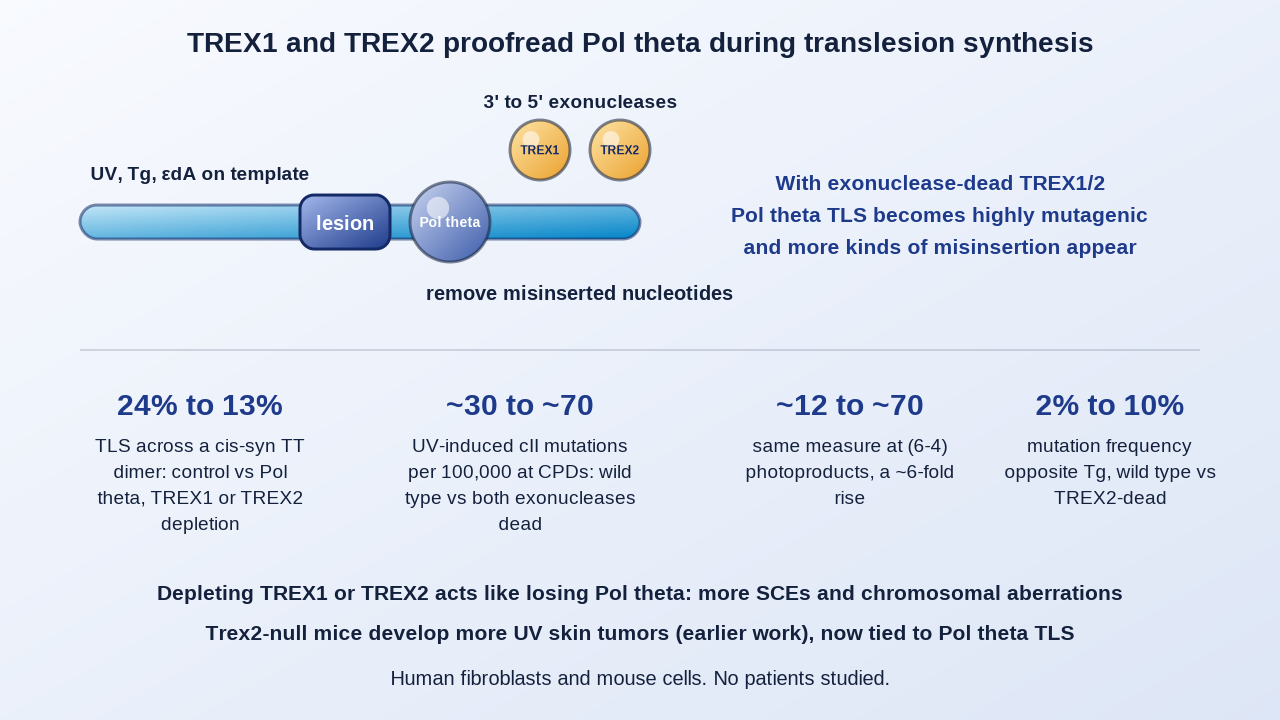
When replication meets damaged DNA, cells use translesion synthesis (TLS) polymerases to copy past the lesion. DNA polymerase θ is one of them and, as a purified enzyme, it is highly error-prone, yet in human cells it behaves much more accurately. A Texas group now reports that two exonucleases, TREX1 and TREX2, are the likely proofreaders.
| Measure | System | Reported result |
|---|---|---|
| TLS across a cis-syn TT dimer, control vs Polθ / TREX1 / TREX2 siRNA | Human fibroblasts | 23.6% vs 13.3% / 11.4% / 11.7% |
| UV-induced CPD mutations, wild type vs both exonucleases dead | Mouse cII reporter | About 30 vs about 70 × 10⁻⁵ |
| UV-induced (6-4) photoproduct mutations, wild type vs both dead | Mouse cII reporter | About 12 to 14 vs about 70 × 10⁻⁵ |
| Mutation frequency opposite Tg, wild type vs D14N TREX2 | Human fibroblasts | 2.1% vs 10.4% |
| Mutation frequency opposite εdA, wild type vs D18N TREX1 | Human fibroblasts | 15.4% vs 29.2% |
| Cells with TREX1 or TREX2 foci after UV | Control vs Polθ-depleted | About 40% vs about 10% |
Background
Y-family polymerases such as Polη and Polι have open active sites and low fidelity in vitro, but work accurately in cells because partners such as WRN, WRNIP1 and Rev1 restrain misinsertions and remove them. Polθ was the exception: TLS by Polθ is predominantly error-prone in cells, but less so than its purified activity predicts. TREX1 and TREX2 are 3′ to 5′ exonucleases with a preference for mispaired 3′ ends; TREX1 also clears cytosolic DNA to restrain cGAS-STING signaling, and Trex2-null mice are prone to UV and DMBA skin tumors.
TREX1 and TREX2 are needed for Polθ TLS
In a duplex plasmid assay in human fibroblasts, TLS across a cis-syn thymine dimer was 23.6% in controls and fell to 13.3% with Polθ siRNA and to 11.4% and 11.7% with TREX1 or TREX2 siRNA, with no further drop when combined (epistasis). Similar patterns held for a (6-4) photoproduct (20.8% to about 10%), thymine glycol (25.7% to 12.8 to 15.2%) and εdA (23.9% to about 10.4 to 11.1%). DNA fiber assays showed the same reduction in replication fork progression through UV lesions and the same drop in UV survival for TREX1, TREX2 or Polθ depletion, with no added effect in Polθ-null mouse cells.
Assembly with Polθ and genome instability
UV raised the share of cells with TREX1 or TREX2 foci from about 10% to about 40%, but not in Polθ-depleted cells, and Polθ co-immunoprecipitated with both exonucleases from UV-damaged chromatin. Depleting Polθ, TREX1 or TREX2 gave similar increases in sister chromatid exchanges and about twofold more chromosomal aberrations, with no additional effect in Polθ-null cells.
Exonuclease-dead proteins make TLS mutagenic
Exonuclease-deficient D18N TREX1 and D14N TREX2 left TLS frequency unchanged, so they did not disable Polθ. In big blue mouse fibroblasts, UV-induced cII mutations at CPDs rose from about 30 × 10⁻⁵ in wild-type cells to about 52 × 10⁻⁵ (D18N TREX1), 44 × 10⁻⁵ (D14N TREX2) and about 70 × 10⁻⁵ with both. At (6-4) photoproducts, UV-induced mutations rose from about 12 to 14 × 10⁻⁵ to about 70 × 10⁻⁵ with both dead, about sixfold, and the number of distinct mutation hot spots expanded in TREX1-dead cells. Different mutants exposed different misinsertions: A and, less often, C opposite cytosine, and G opposite thymine in TREX2-dead cells.
Other lesions
Opposite thymine glycol, mutation frequency was about 2% in wild-type fibroblasts and 1% with D18N TREX1, but 10.4% with D14N TREX2, mostly G insertion opposite the 5′ thymine. Opposite εdA it was 15.4% in controls and 29.2% with D18N TREX1, which the authors translate to a rise from about 8% to about 21% for the Polθ share, but unchanged with D14N TREX2.
Implications for cancer
Because Polθ-null and Trex2-null mice are both prone to UV-induced skin cancers, mostly squamous cell carcinomas, in earlier work, the authors link the Trex2 phenotype to loss of Polθ TLS. They reason that TREX1-null mice would not show the same cancer risk because cytosolic DNA drives a cGAS-STING interferon response that opposes tumors.
Keep in mind
Most results come from cultured human fibroblasts and mouse embryonic fibroblasts, mainly using siRNA depletion and reporter assays, and the proposal that TREX1 and TREX2 directly excise Polθ's misinsertions is inferred from mutation spectra, not from a biochemical reconstitution. The skin tumor evidence cited is from previous studies, and the TREX1 cancer prediction is a hypothesis. The study does not test Polθ inhibitors or any treatment in people.
- Paper
- Yoon JH, Sellamuthu K, Prakash L, Prakash S. TREX1 and TREX2 3′ → 5′ DNA exonucleases enhance the fidelity of translesion synthesis by DNA polymerase θ. Science Advances. 2026;12(48):eaem2425. Published November 25, 2026.
- Type
- Cell-based mutagenesis and replication assays
- DOI
- 10.1126/sciadv.aem2425
- PubMed
- PMID 43084674
- Funding
- National Institutes of Health grant R35 GM148364. The authors declare no competing interests.
Related articles
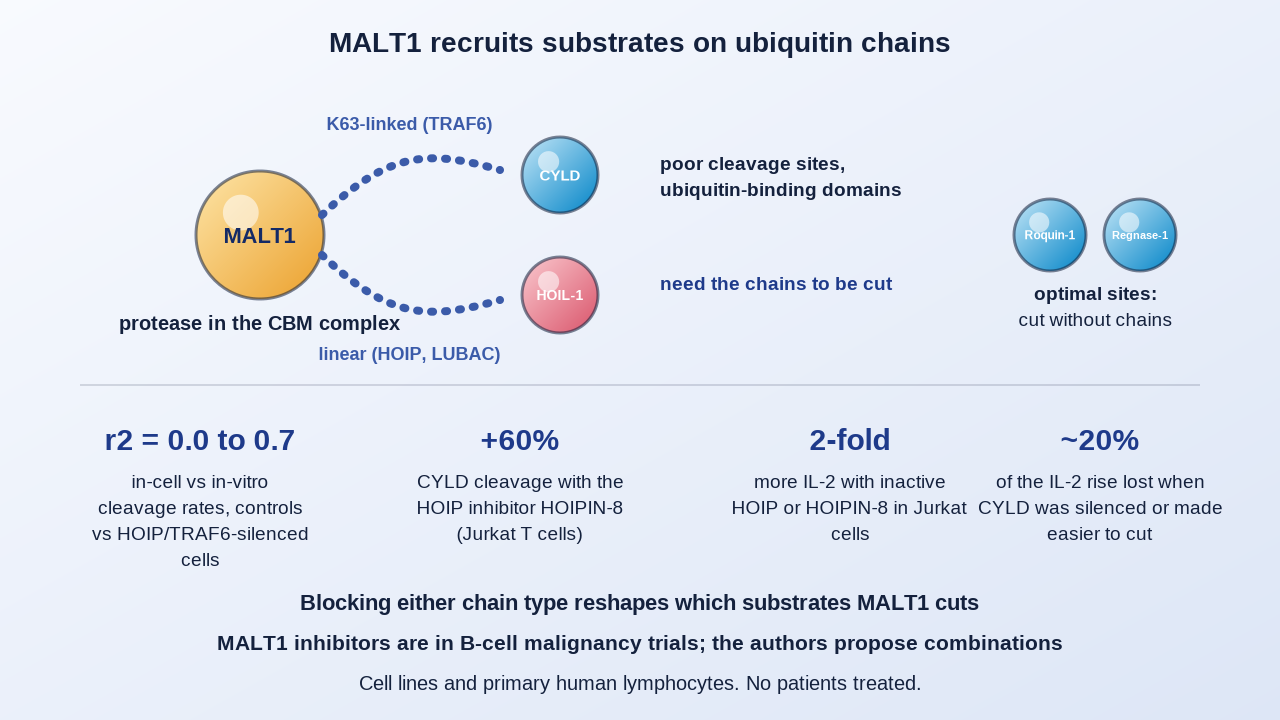 Daily brief · Nov 28, 2026The Protease MALT1 Uses K63-Linked and Linear Ubiquitin Chains to Recruit Substrates With Poor Cleavage Sites, and Inhibiting HOIP or TRAF6 Reshapes What It Cuts
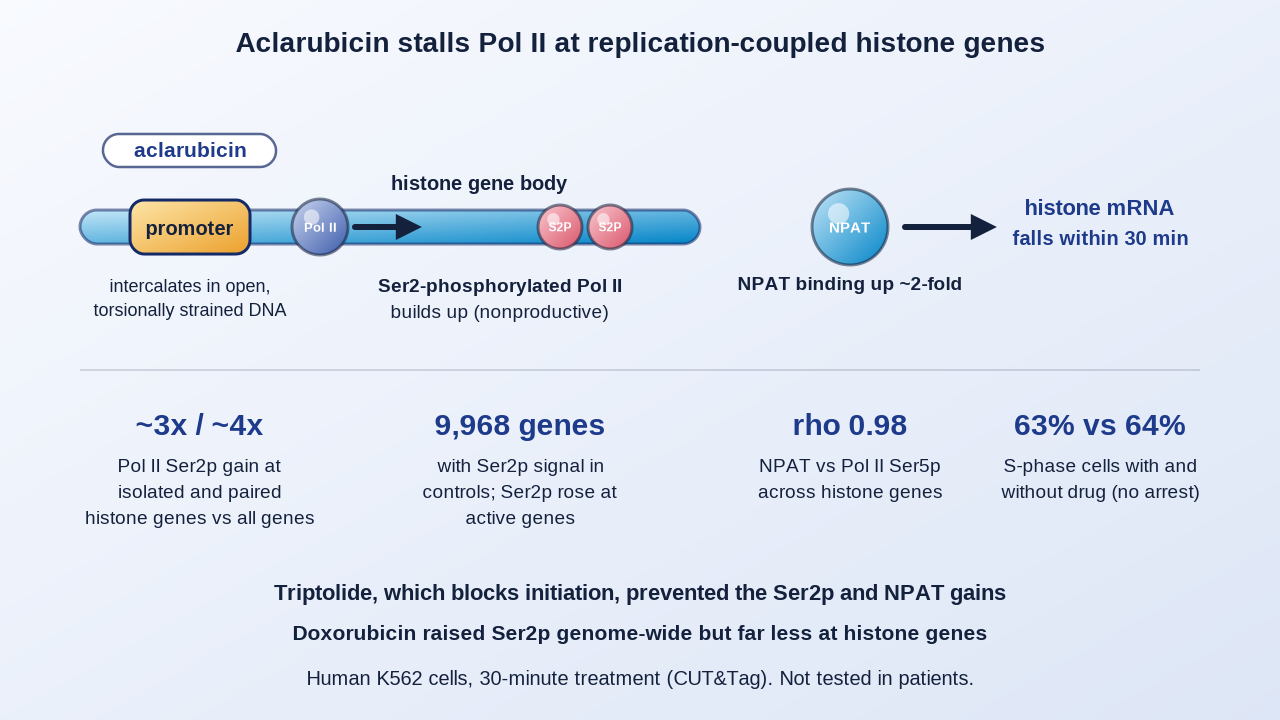 Daily brief · Nov 27, 2026The Anthracycline Aclarubicin Causes a Nonproductive Pile-Up of Elongating RNA Polymerase II and NPAT at Replication-Coupled Histone Genes in Human Leukemia Cells
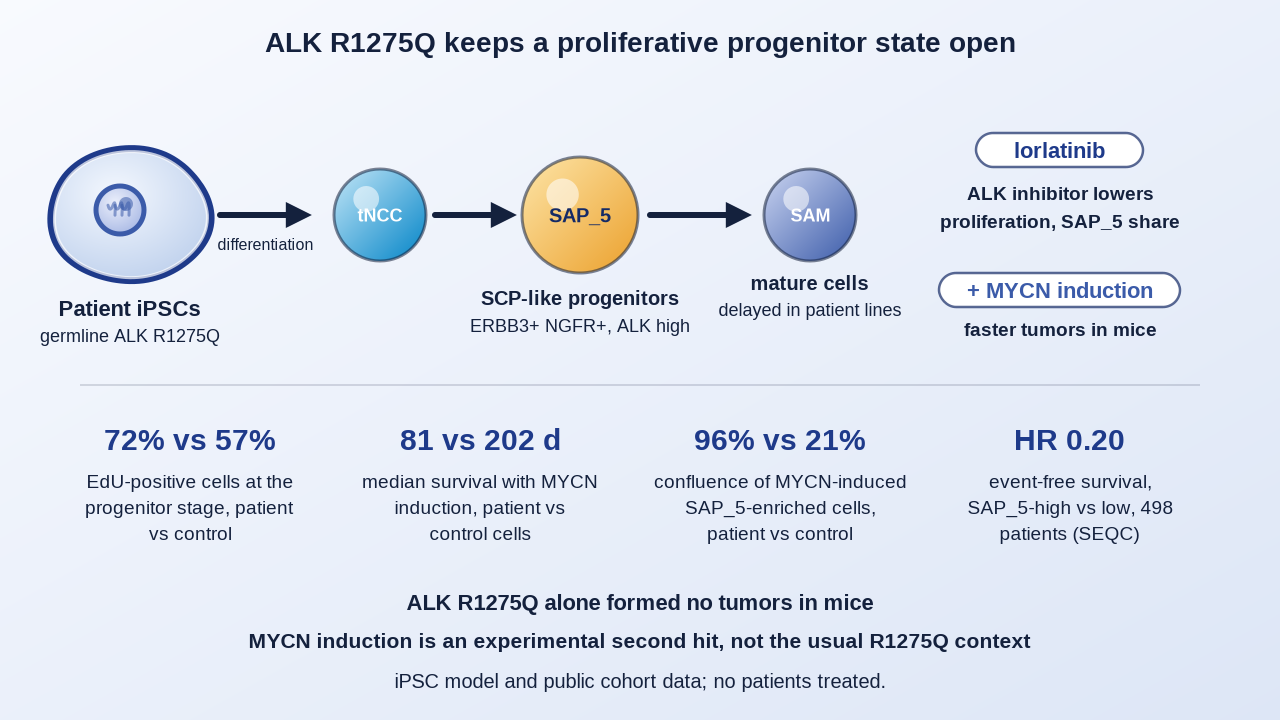 Daily brief · Nov 26, 2026The Germline ALK R1275Q Variant Keeps a Proliferative, Schwann Cell Precursor-Like Progenitor State Open in Patient iPSC Models, Making Cells More Prone to MYCN-Driven Neuroblastoma

Research focus: Molecular Oncology and Cancer Metabolism
Department of Molecular Diagnostics, Faculty of Biomedical Sciences, University of Benghazi, Libya
Weekly digest
The week's briefs and science news in one email. See the privacy policy.
Comments
No account needed. Comments are reviewed before they appear. Please be respectful and on topic.